Historical context
Recognise the breadth and diversity of slavery across regions and periods.
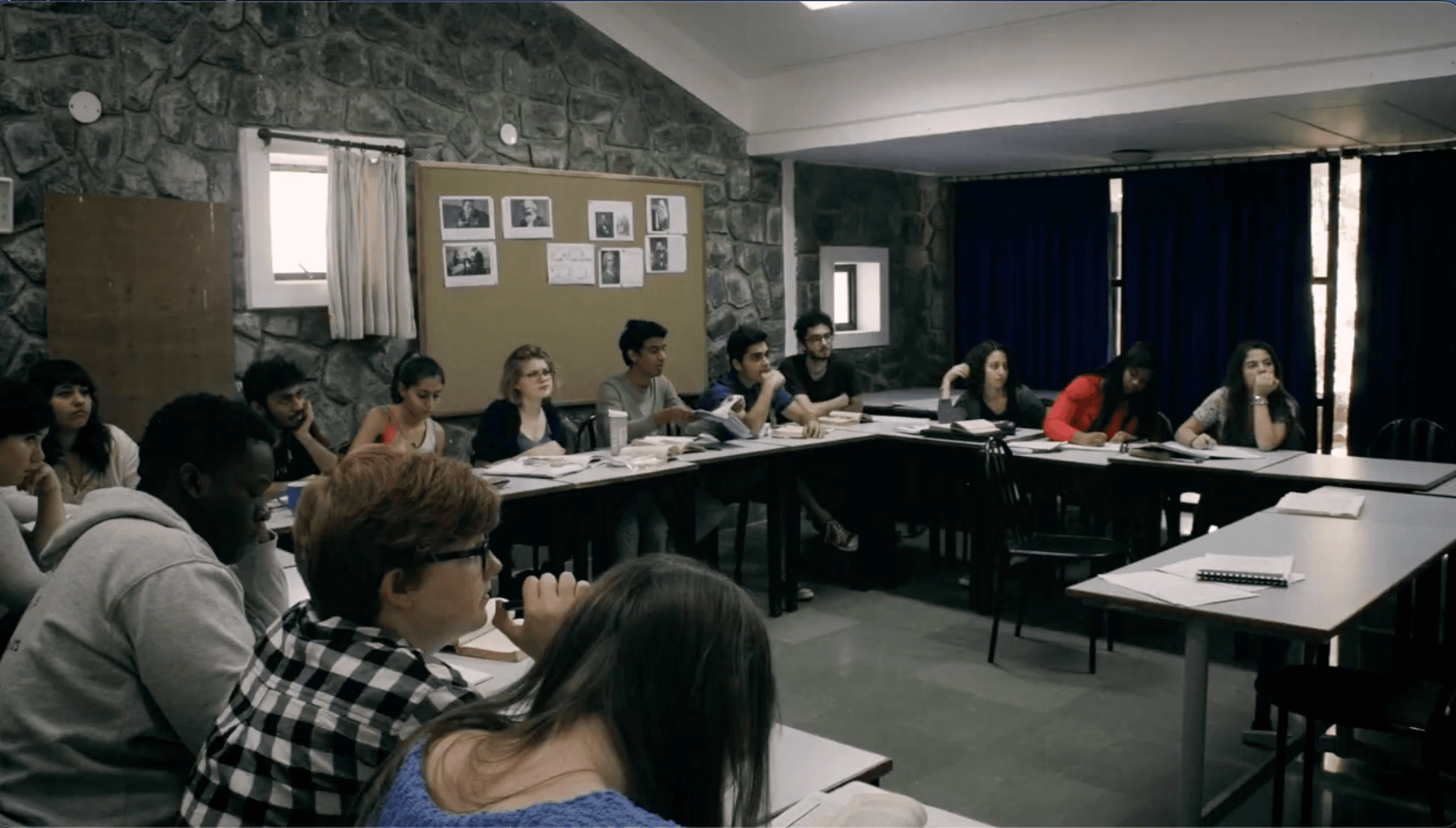 UWC Mahindra College · classroom seminar
Slavery Studies is a multidisciplinary UWC short course about slavery across history and the contemporary world.
Visit UWC Short Courses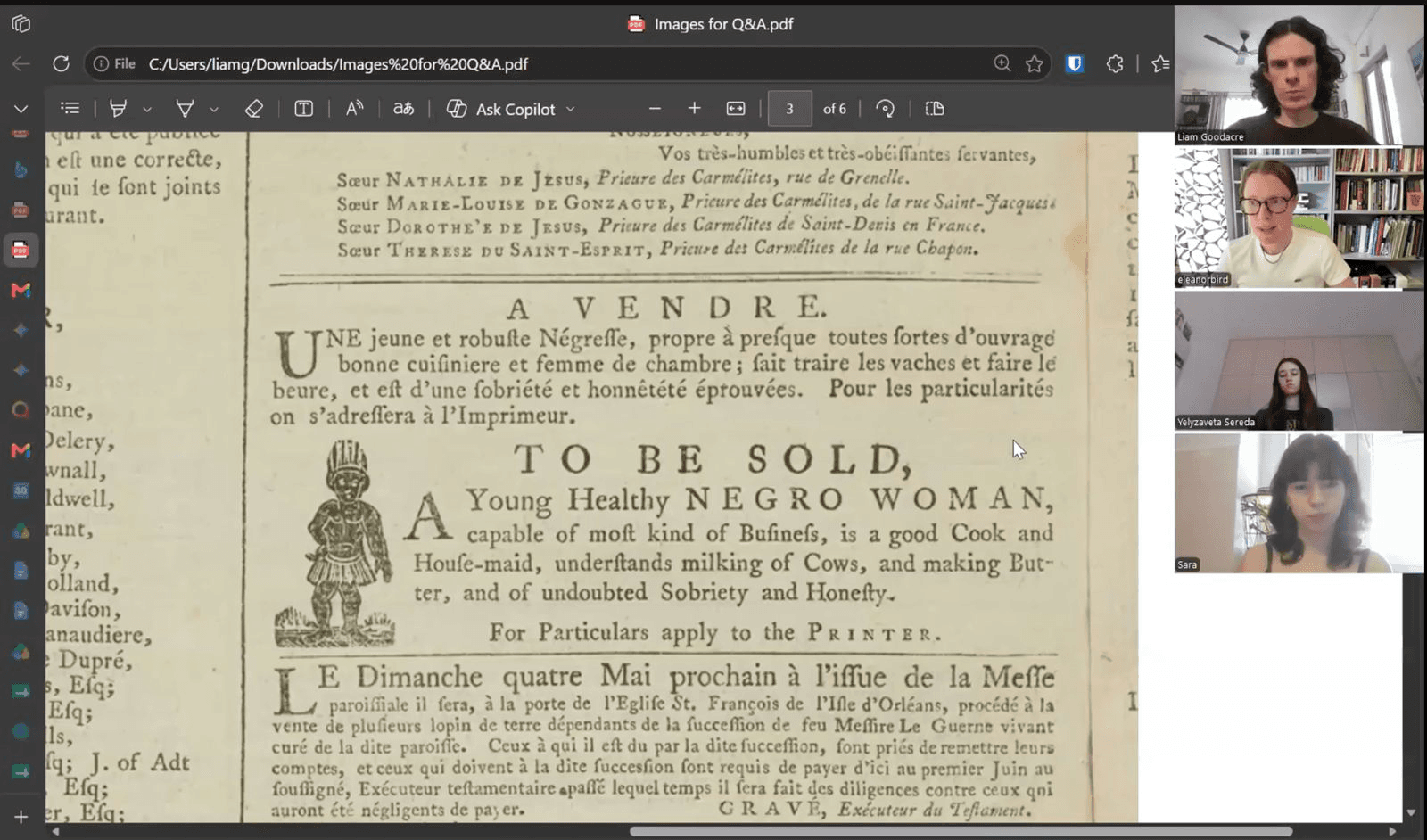
Slavery has shaped cultures, identities and economies. We examine how historical forms continue to affect people today and consider ways to challenge contemporary slavery.
Case studies from the Caribbean, India, the Middle East and Russia bring these histories into conversation across history, sociology, economics, literature, music, cultural studies and law.
Explore the courseLiam teaches at UWC Mahindra College and is the course provider for Slavery Studies.
About Liam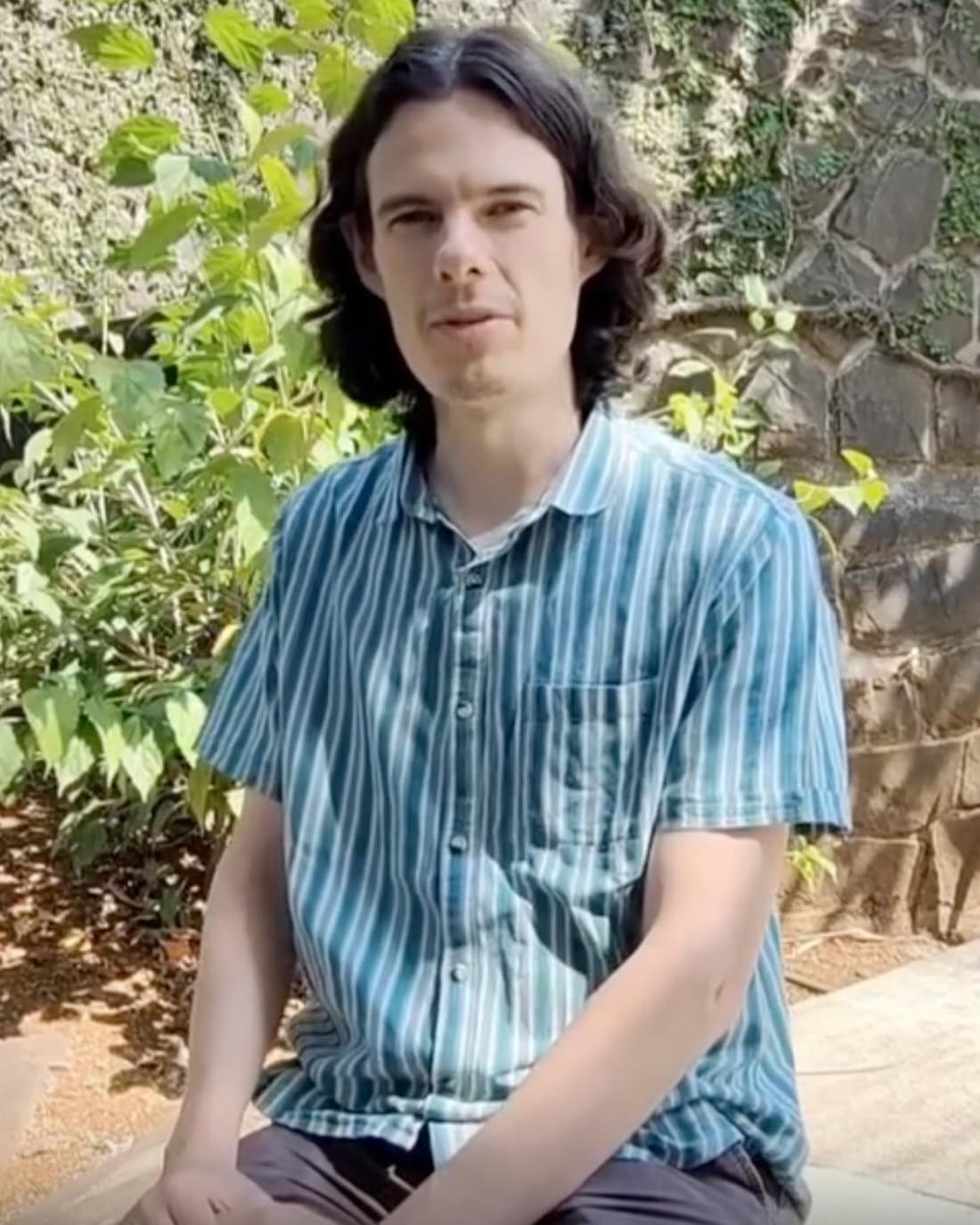
We examine how slavery can be defined, how it developed in different contexts and how its legacies shape life today. We learn in collaboration with survivors and ask how students can contribute to ending contemporary slavery.
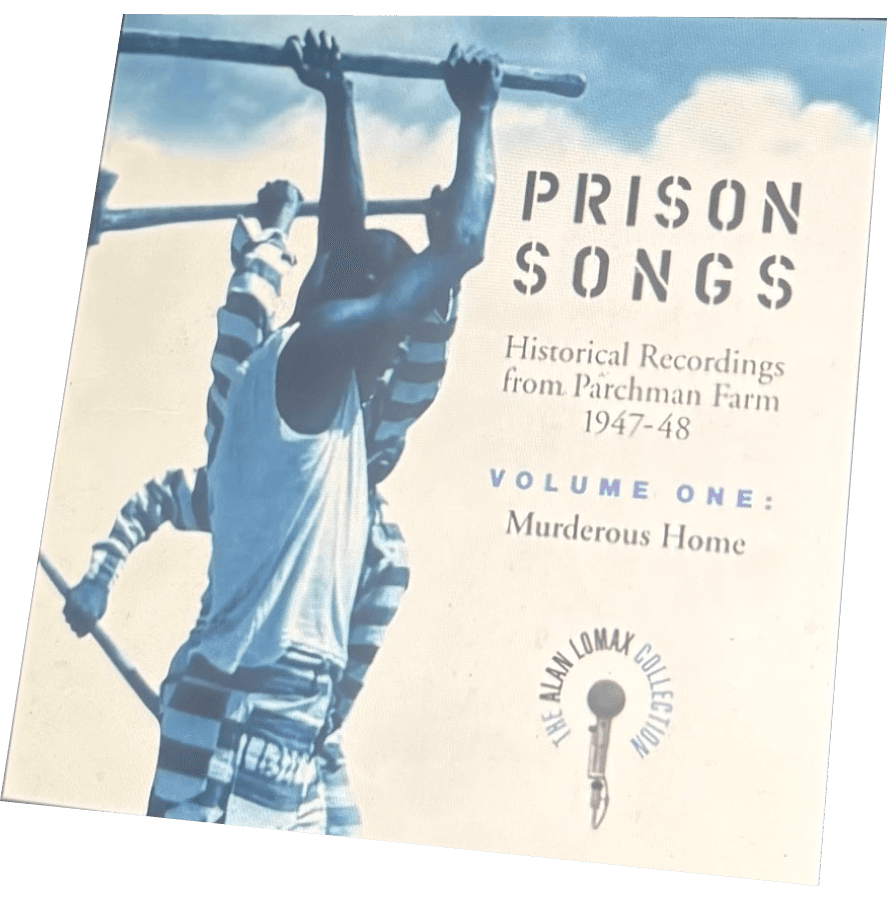
We draw on rigorous, up-to-date scholarship across disciplines alongside the knowledge of people with lived experience. We regard slavery as an atrocity that need not exist and approach discussion with care, aware that it can cause harm. We believe a world without slavery and human exploitation is both desirable and possible, and that education can help students work towards it.
Recognise the breadth and diversity of slavery across regions and periods.
Bring rigorous scholarship from the humanities and social sciences into conversation with lived experience.
Connect historical legacies to present-day exploitation and consider how students can challenge it.
During this three-week online course, participants read and discuss course materials, meet in daily seminars, undertake structured research projects and pursue independent modules.
Slavery Studies began in 2018 with the aim of developing a multidisciplinary course. It grew through intensive campus short courses and year-long study groups into a recurring online summer course.
The course overview records a community of more than 150 alumni and dozens of volunteers, including former students who continue to contribute.